Table of Contents
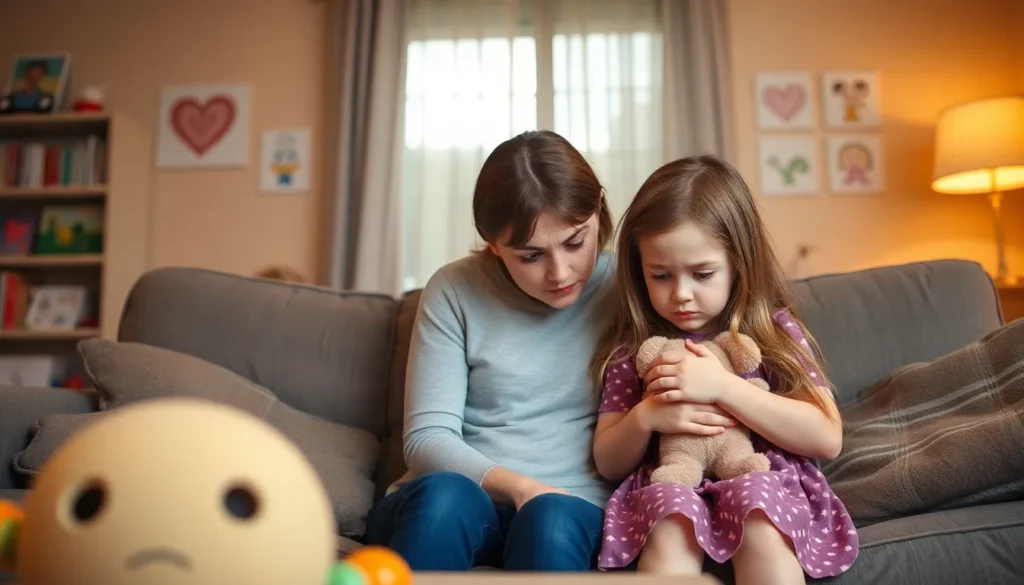
ToggleRecognizing the early signs of mental illness in children can feel like trying to find a needle in a haystack—if the haystack were made of Legos and the needle was doing the Macarena. Parents often juggle a million things, from school projects to snack time, and it’s easy to overlook subtle cues that something might be off. Yet, catching these signs early can make all the difference in a child’s well-being.
Understanding Mental Illness in Children
Recognizing the signs of mental illness in children can be challenging. Symptoms often manifest differently than they do in adults. Increased irritability, changes in mood, and withdrawal from activities highlight possible issues. Parents may notice children struggling with schoolwork or having difficulty concentrating.
Behavioral changes may include excessive tantrums or sudden outbursts. Children might exhibit signs of anxiety through avoidance of social interactions. Sleep disturbances and changes in appetite are indicators that require attention.
Families shouldn’t dismiss these signs, as early intervention can lead to better outcomes. Seeking professional guidance from child psychologists or counselors can provide clarity. Timely evaluations can help determine if these behaviors result from normal development or underlying mental health issues.
Education on mental health is crucial for parents, caregivers, and educators. Programs that facilitate discussions about mental wellness foster awareness. Open conversations about emotions can empower children to express their feelings.
Screening for mental health can also be beneficial. Regular assessments from healthcare providers help identify potential risks early. Statistics indicate that early detection can significantly improve long-term prognosis.
In fostering a supportive environment, children may feel safer discussing their struggles. Parental understanding and involvement count for a lot in promoting mental well-being. Creating a routine that includes talking about feelings helps normalize such dialogues.
Early Signs of Mental Illness in Children
Recognizing early signs of mental illness in children is vital for timely intervention and support. Several indicators stand out, highlighting the need for awareness.
Behavioral Changes
Behavioral changes often emerge as notable signs of mental health issues in children. Sudden shifts in behavior, such as increased aggression or irritability, warrant attention. Children may also withdraw from friends and activities they once enjoyed. Frequent tantrums or mood swings may disrupt daily life. Academic struggles can indicate underlying emotional distress, as difficulty concentrating or completing tasks often arises. Additionally, changes in sleeping patterns or appetite can reflect a child’s mental health state. These alterations can signify deeper concerns that require evaluation.
Emotional Disturbances
Emotional disturbances frequently appear in children facing mental health challenges. Persistent feelings of sadness or anxiety can manifest unexpectedly, impacting overall well-being. Children might express feelings of hopelessness or describe overwhelming worry. In some cases, avoidance behaviors, such as shying away from social interactions, become evident. Frequent crying spells or frustrations over minor issues may also surface. If a child exhibits extreme sensitivity or reacts disproportionately to everyday stressors, these emotional signs may indicate a need for professional support. Parents should prioritize addressing these disturbances to foster a healthier environment for their children.
Common Mental Health Disorders in Children
Various mental health disorders can impact children, affecting their daily lives. Recognizing these conditions early enhances the opportunity for effective intervention.
Anxiety Disorders
Anxiety disorders represent a common mental health issue among children. Symptoms include excessive worry, restlessness, and fear that interferes with daily activities. Social anxiety may cause a child to avoid interactions with peers. Parents often observe their children experiencing physical symptoms like stomachaches or headaches related to anxiety. Frequent nightmares or difficulty sleeping also signal potential anxiety disorders. Timely recognition of these symptoms allows for better coping strategies, leading to improved emotional regulation.
Mood Disorders
Mood disorders, such as depression and bipolar disorder, significantly affect children’s emotional states. Persistent sadness is often one of the first signs of a mood disorder, accompanied by a loss of interest in once-enjoyed activities. Children might display irritability or mood swings, which may confuse parents. Changes in appetite and sleep patterns frequently accompany these disorders. Engaging in conversations about their feelings can help children express their emotions and seek support. Early identification of mood disorders fosters a supportive environment, enabling effective intervention and treatment strategies.
Importance of Early Intervention
Early intervention plays a crucial role in addressing mental health issues in children. Timely action can significantly improve a child’s long-term outcomes. Statistics demonstrate that catching symptoms early enhances prognosis and promotes successful resilience.
Professionals emphasize the importance of parents recognizing subtle changes in behavior. Engaging children in open conversations about their feelings cultivates an environment conducive to emotional expression. Noticing patterns such as withdrawal or increased irritability often serves as a critical first step.
Educators and caregivers also contribute to early identification. Regular mental health screenings by healthcare providers facilitate proactive measures. When families actively participate in discussions about mental wellness, they empower their children to seek help when needed.
Support from child psychologists ensures accurate assessments and tailored intervention strategies. Children benefit from understanding their emotions and having avenues to express them. Ongoing education about mental health fosters resilience and can reduce the stigma around seeking help.
Comprehensive support systems enhance children’s ability to navigate challenges. Connecting with resources such as support groups or mental health programs can provide necessary tools for both children and parents. Strategic early intervention aids in developing coping mechanisms that promote a more stable emotional state.
Acknowledging the need for early intervention lays the foundation for healthier future generations. As awareness of mental illness expands, parents and caregivers become better equipped to address their children’s emotional well-being. Early detection is the key to unlocking a brighter path for children facing mental health challenges.
Recognizing early signs of mental illness in children is vital for fostering their well-being. By being attentive to behavioral and emotional changes parents can create a supportive environment that encourages open dialogue. Engaging with children about their feelings helps normalize discussions around mental health and reduces stigma.
Timely intervention can lead to significant improvements in a child’s life. Parents and caregivers should not hesitate to seek professional help when needed. Building a strong support system that includes educators and mental health resources can empower children to navigate their emotional challenges effectively. Prioritizing mental health awareness is essential for nurturing healthier future generations.