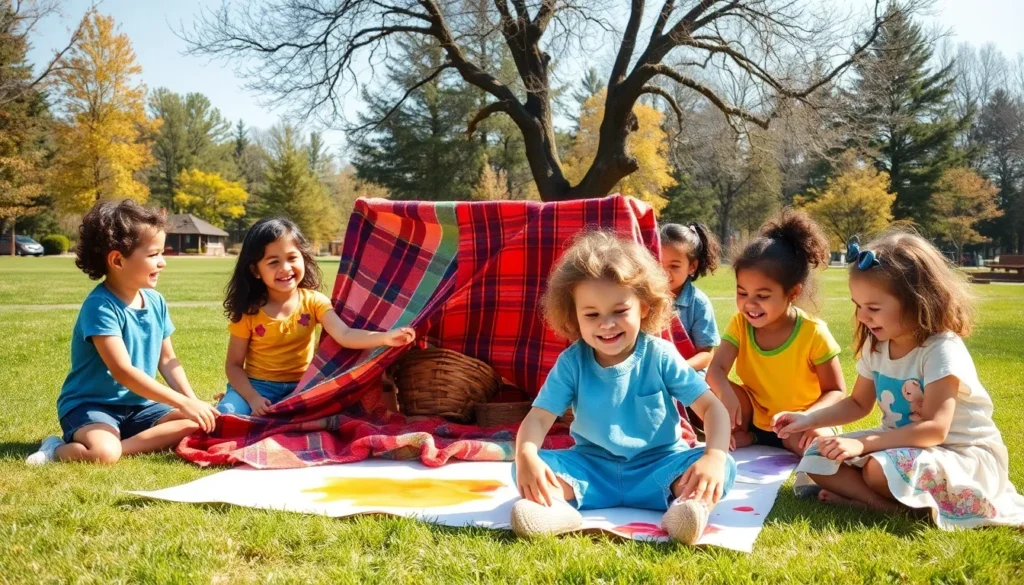
In a world where kids face everything from math tests to monster under the bed, childhood anxiety can feel like an uninvited guest at a birthday party. It sneaks in quietly, often unnoticed, but can turn joyful moments into a game of hide-and-seek with worry. Thankfully, there are solutions that can help kids tackle their fears head-on and reclaim their carefree spirit.
Imagine a toolkit filled with strategies that make anxiety less of a big, scary monster and more like a pesky fly buzzing around. From breathing exercises that could calm even the most hyperactive squirrel to creative play that turns anxiety into a laughable foe, there’s hope for every child. With the right approach, parents can empower their little ones to face their fears and emerge stronger, all while keeping the fun alive.
Understanding Childhood Anxiety
Childhood anxiety affects many kids, disrupting their daily lives. Recognizing its various forms and symptoms aids in providing effective solutions.
Types of Childhood Anxiety Disorders
Separation anxiety disorder often manifests through excessive fear of being apart from parents or caregivers. Generalized anxiety disorder involves persistent worry about multiple aspects of life, including school performance or social interactions. Social anxiety disorder leads to intense fear of social situations, making children avoid interactions. Specific phobias trigger irrational fears of particular objects or situations, such as heights or spiders. Lastly, panic disorder is characterized by sudden panic attacks, causing significant distress.
Symptoms of Childhood Anxiety
Physical symptoms include headaches and stomachaches without a clear medical cause. Emotional symptoms often present as irritability or mood swings, which can frustrate parents. Behavioral changes may emerge, like avoidance of school or social activities. Changes in sleep patterns frequently occur, with many children experiencing difficulty falling asleep or nightmares. Difficulty concentrating during school or homework is another common issue. Awareness of these symptoms facilitates early intervention and support.
Effective Therapy Options
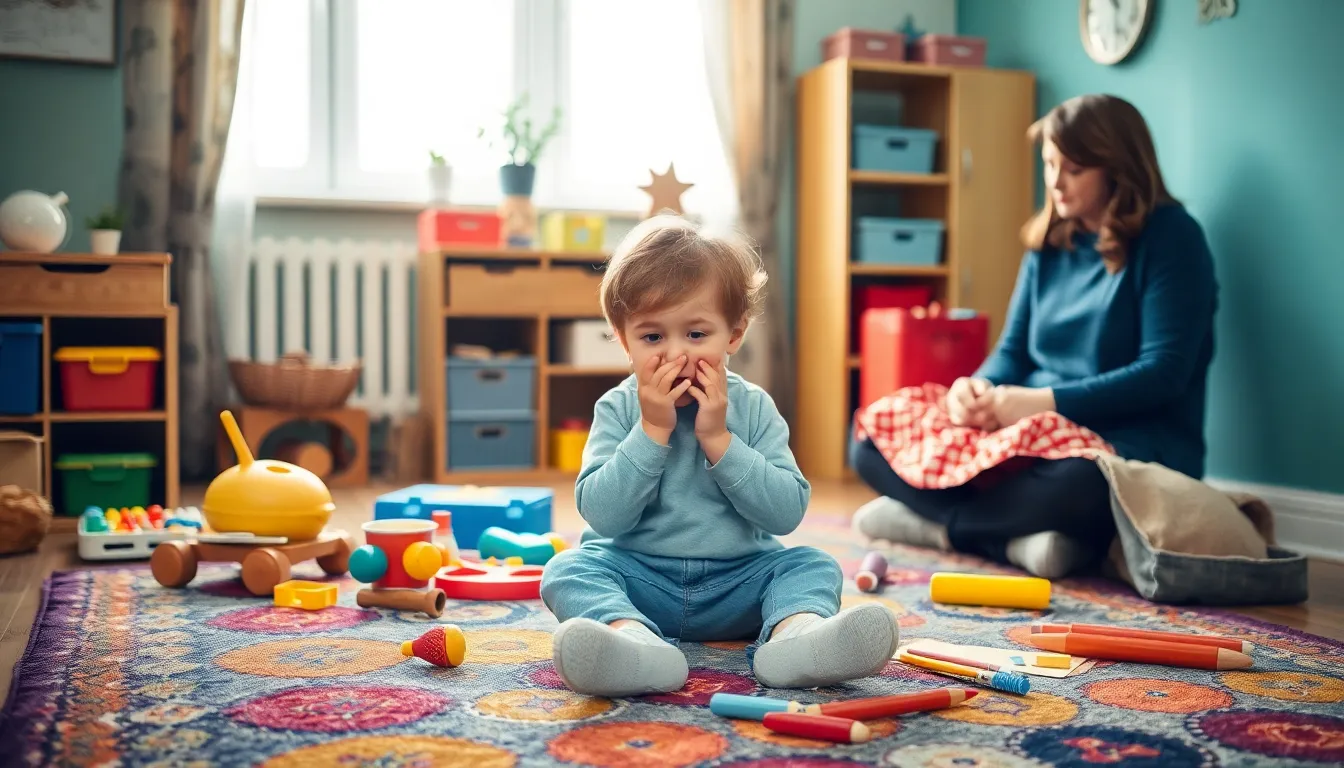
Various therapy options help children manage anxiety effectively. Understanding these approaches can empower children and parents alike in overcoming anxiety challenges.
Cognitive Behavioral Therapy (CBT)
Cognitive Behavioral Therapy (CBT) aims to reshape negative thought patterns. This structured approach allows children to identify their fears and replace them with positive beliefs. Through guided sessions, therapists teach coping strategies that are applicable in everyday life. Sessions often include role-playing scenarios to rehearse social situations. Research shows that CBT significantly reduces anxiety symptoms in many children. Flexibility in treatment allows adjustments based on individual needs, fostering personal growth in managing anxiety.
Play Therapy
Play therapy utilizes the natural communication style of children for therapeutic purposes. This technique involves engaging children through games and creative activities. By using toys, children express their feelings and experiences, making it easier to articulate anxiety triggers. Therapists observe play patterns, which reveal underlying emotional issues. Studies confirm that play therapy can effectively reduce anxiety in young children. This method promotes a safe environment where children feel comfortable exploring their emotions, leading to increased resilience and emotional understanding.
Parent and Caregiver Strategies
Effective strategies can help parents and caregivers support children facing anxiety. Creating a safe and nurturing space is essential.
Creating a Supportive Environment
Fostering a supportive environment significantly decreases anxiety levels. Kids thrive in spaces where they feel secure. Parents can reduce clutter and create cozy areas for relaxation. Establishing consistent routines for daily activities enhances predictability. Decorating with calming colors and having quiet zones can further promote tranquility. Providing access to comforting items also aids emotional regulation. Strong support systems contribute to children’s resilience against anxiety-related challenges.
Encouraging Open Communication
Open communication plays a vital role in helping children express their feelings. Parents should encourage kids to share their thoughts without fear of judgment. Validating their emotions fosters a sense of safety. Asking open-ended questions deepens understanding of children’s concerns. Regular family discussions about feelings can normalize their experiences. Practicing active listening demonstrates empathy and encourages honesty. Being available for conversations, even during tough moments, helps children feel heard and supported.
School-Based Interventions
School-based interventions play a crucial role in addressing childhood anxiety. They provide structured support within a familiar environment, helping children cope with their fears effectively.
Collaboration with Educators
Collaboration with educators is vital for identifying anxious students. Teachers can monitor behaviors and recognize signs of distress in the classroom. Training educators in anxiety awareness equips them to provide appropriate support. Regular communication between parents and teachers fosters a shared understanding of the child’s needs. Utilizing school counselors enhances this partnership, offering additional resources and interventions. Such teamwork can create a more tailored approach to individual student challenges.
Implementing School Programs
Implementing school programs specifically designed for anxiety management has proven effective. These programs often include workshops that teach relaxation techniques or coping strategies. Education that focuses on anxiety helps children understand their feelings better. Peer support groups can facilitate sharing experiences and reduce feelings of isolation. Schools may also integrate mindfulness practices into daily routines, promoting a calmer environment. Research shows that proactive programs decrease anxiety symptoms among participants significantly.
Lifestyle Changes to Mitigate Anxiety
Adopting lifestyle changes significantly helps in alleviating childhood anxiety. Modifications in daily habits can foster emotional well-being.
The Role of Nutrition
Nutrition plays a pivotal role in children’s mental health. A balanced diet that includes fruits, vegetables, whole grains, and lean proteins supports brain function. Consuming omega-3 fatty acids found in fish and nuts may further enhance mood regulation. Drinks high in sugar or caffeine might exacerbate anxiety symptoms. Additionally, maintaining hydration is essential, as even mild dehydration could impact concentration and mood. Parents should prioritize regular meal schedules and encourage healthy snack options as well.
Importance of Physical Activity
Regular physical activity provides numerous benefits for reducing anxiety. Engaging in exercise releases endorphins, which are natural mood lifters. Activities like running, swimming, or even dancing can help children channel their energy positively. Participating in group sports fosters social connections, creating a sense of belonging. Consistently allocating time for physical activities in daily routines promotes overall mental and physical health. Encouraging outdoor play also enhances mood and reduces feelings of anxiety or stress. These changes create a solid foundation for managing anxiety effectively.
Childhood anxiety doesn’t have to overshadow a child’s joy and development. With the right tools and approaches, children can learn to manage their fears effectively. By fostering a supportive environment at home and collaborating with educators, parents can play a vital role in their child’s emotional growth. Incorporating lifestyle changes and therapeutic strategies further enhances resilience against anxiety. Empowering children to confront their fears not only builds confidence but also paves the way for a happier and more fulfilling childhood.